Why Should You Regularly Visit the Veterinarian?

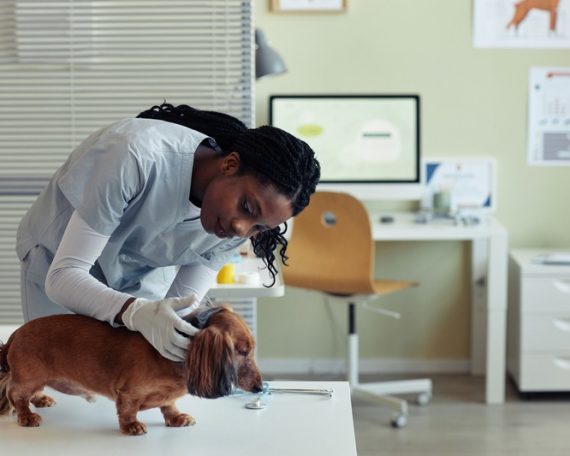
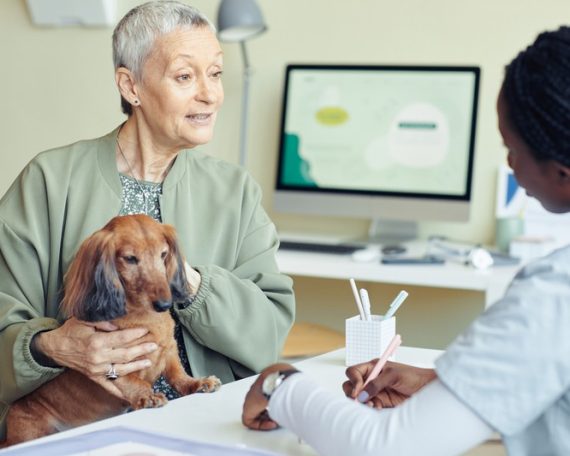
Regular veterinary visits are a crucial component of responsible pet ownership. Just as humans need periodic medical check-ups to maintain good health and detect potential issues early, animals also benefit significantly from regular veterinary care. These visits allow veterinarians to monitor your pet’s overall health, update necessary vaccinations, and check for early signs of illness or chronic conditions that might not be apparent at home. 

Regular visits to the veterinarian are essential for maintaining your pet’s health and well-being. Here are several reasons why you should make it a priority to schedule regular veterinary check-ups for your pet:

1. Early Detection of Health Issues

Regular veterinary visits play a critical role in early disease detection. Pets are masters at hiding signs of illness, and by the time symptoms become noticeable to owners, conditions may have already progressed significantly. Veterinarians are trained to recognize subtle signs of illness during routine exams, such as changes in weight, behavior, or physical abnormalities. For specialized care, seeking veterinary internal medicine in Fort Oglethorpe, GA, ensures pets receive expert diagnosis and management of complex medical conditions. Early detection allows for prompt intervention and treatment, potentially improving outcomes and minimizing the impact of diseases. 

2. Emergency Preparedness

Establishing a relationship with a veterinarian through regular visits is crucial for emergency preparedness. Accidents, sudden illnesses, and injuries can occur unexpectedly, and having a veterinarian familiar with your pet’s medical history can make a significant difference in emergencies. Veterinarians with knowledge of your pet’s baseline health can provide timely and appropriate emergency care, potentially saving your pet’s life or minimizing the severity of an emergency.

3. Nutritional Guidance

Proper nutrition is essential for optimal health throughout your pet’s life. Veterinarians offer personalized nutritional guidance based on age, breed, activity level, and health status. They can recommend high-quality commercial diets or formulate balanced homemade diets tailored to your pet’s needs. Regular discussions about nutrition during veterinary visits ensure that your pet’s diet supports their overall health, energy levels, and longevity. Adjustments to the diet may be made as your pet ages or if health conditions arise.

4. Comprehensive Dental Care

Dental health is integral to a pet’s overall well-being, yet it is often overlooked by pet owners. Dentists perform thorough dental examinations during regular veterinary visits to assess oral health. This includes checking for plaque buildup, tartar, gum disease, and tooth decay. Professional dental cleanings may be recommended to remove plaque and tartar that brushing alone cannot address. Good dental hygiene prevents dental disease and reduces the risk of systemic health problems, such as heart disease and kidney disease, which can be linked to untreated dental issues. For more details, you can consult a vet dentist online.

5. Behavioral Assessment and Management

Behavioral issues can significantly impact your pet’s quality of life and the bond between you and your pet. Veterinarians are trained to evaluate behavioral concerns during routine exams and provide guidance on managing issues such as aggression, anxiety, compulsive behaviors, and inappropriate elimination. They may recommend behavioral modification techniques, environmental enrichment strategies, or medications to address underlying behavioral issues. Regular veterinary visits allow one to discuss behavioral concerns and implement proactive measures to support your pet’s mental well-being.

6. Senior Pet Care

As pets age, they become more susceptible to age-related conditions such as arthritis, dental disease, and organ dysfunction. Regular veterinary visits are crucial for monitoring senior pets’ health and detecting these conditions early. Veterinarians may recommend senior-specific screenings, such as blood tests and imaging, to assess organ function and detect diseases like kidney disease or cancer. They can also guide in managing chronic conditions, adjusting nutrition, and maintaining mobility and comfort in older pets. Early intervention and ongoing monitoring help ensure senior pets enjoy a good quality of life in their golden years.

7. Monitoring Growth and Development (For Puppies and Kittens)

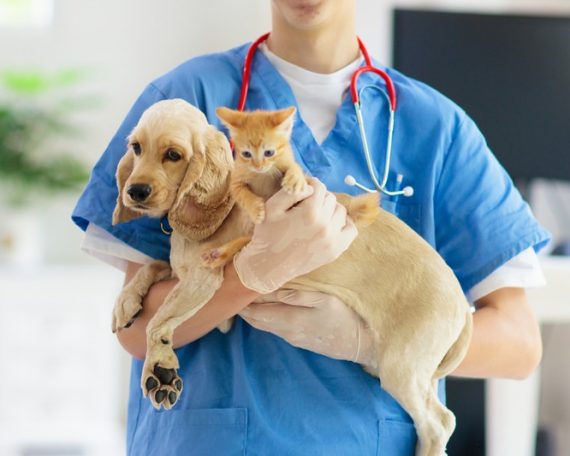
Regular veterinary visits are essential for puppies and kittens to monitor growth, development, and vaccination schedules. Veterinarians track weight gain, dental development, and overall physical milestones to ensure your young pet thrives. They administer vaccinations to protect against common infectious diseases and provide nutrition, training, and socialization guidance. Regular veterinary care during these formative months sets a foundation for your pet’s lifelong health and behavior.

8. Vaccinations and Preventive Care

Vaccinations are fundamental to preventing infectious diseases that can be life-threatening for pets. Veterinarians tailor vaccination schedules based on your pet’s age, lifestyle, and risk factors. Regular visits ensure that vaccinations are administered at appropriate intervals to maintain immunity. Additionally, preventive care discussions include parasite control measures like flea and tick preventives, heartworm medications, and deworming treatments, all of which protect pets from parasites that can cause discomfort and transmit diseases. Visit https://www.amcveterinarian.com/site/veterinary-services-fort-oglethorpe/cat-dog-vaccinations-parasite-prevention for more information.

9. Compliance with Legal Requirements

Many regions have legal requirements for pet health care, such as rabies vaccinations for dogs. Regular veterinary visits ensure that your pet is up to date with mandatory vaccinations and preventive care measures required by local authorities. Compliance with these legal requirements ensures your pet’s health and safety and prevents legal issues from non-compliance.

Wrapping Up

Regular veterinary visits are essential for maintaining your pet’s health, preventing disease, and addressing any health concerns promptly. They provide a holistic approach to pet care, covering preventive measures, early detection of health issues, and personalized guidance on nutrition and behavior. By prioritizing regular veterinary care, you can ensure your pet enjoys a healthy, happy life and build a strong partnership with your veterinarian for their ongoing well-being. Investing in proactive pet healthcare through regular veterinary visits enhances your pet’s quality of life and provides peace of mind for you as a responsible pet owner.
Read More

When Is It Time to Seek a Second Opinion from a Vet?

As a pet owner, your animal companion’s health and well-being are of utmost concern. Trusting a professional for medical guidance is essential, yet there are times when the advice given doesn’t quite sit right. It’s at these crossroads that seeking a second opinion from another veterinarian becomes a considerable option.

1. Unexplained Symptoms Persist

If your pet’s health issues continue despite treatment, it might be time to get another perspective. Just like in human medicine, occasionally, one veterinarian can overlook or misinterpret symptoms. A fresh set of eyes can provide a renewed diagnostic approach that could lead to a better treatment plan.

2. Your Pet Has a Chronic or Serious Condition

A chronic or grave diagnosis can be overwhelming. When your pet is diagnosed with a complex health issue, getting a second opinion can help ensure that all possible treatment options have been considered and the most effective course of action is being taken.

3. Unclear Communication

Clear communication is crucial. If your vet isn’t sufficiently explaining your pet’s condition, treatment options, or the expected outcomes, consider seeking advice elsewhere. It’s critical to fully understand your pet’s health status to make informed decisions.

4. Invasive or Expensive Procedures Are Recommended

Before proceeding with serious medical operations or expensive treatments, it’s wise to get a second opinion for peace of mind. This is particularly true for procedures that carry significant risk or come with a hefty price tag.

5. Your Instincts Say So

As a pet owner, you understand your pet very well. If you feel that something is not right with your pet’s health or if you are unsure about advice or treatment you have been given, it’s okay to ask for more help. Believing in your own feelings can be an important part of looking out for your pet’s health.

Listening to Your Inner Voice

  • Noticing Subtle Changes: You may notice small changes in your pet’s behavior or habits that others might not see. If these changes worry you, they could be signals to pay attention to.

  • Seeking a Second Opinion: If you’re not sure about something the vet says, it’s wise to get another opinion. This can help you make the best decisions for your pet’s well-being.

Being Your Pet’s Health Advocate

  • Asking Questions: Don’t be afraid to ask your vet to explain things more clearly or to ask for more details about your pet’s health and treatment options.

  • Requesting Further Checks: If you’re still worried, you can ask the vet to do more checks. It’s okay to want to be completely sure your pet is okay.

When something about your pet’s health doesn’t feel right, you should act on those concerns. It’s better to look into it more and be sure about what’s going on. Your vet will understand and work with you to make sure your pet gets the care they need.

6. Dissatisfaction with Care

If you’re continually unhappy with the care your pet is receiving, it’s definitely a sign to consult another professional. A positive relationship with your veterinarian is crucial to your pet’s healthcare journey.

  • Confirmation of the diagnosis and treatment plan.

  • Exposure to different treatment options or newer medical advancements.

  • Increased confidence in the care and choices for your cherished companion.

Moreover, seeking a second opinion does not mean you distrust your current vet. It’s a common practice in health care for both animals and humans, reflecting due diligence in important decision-making.

How to Seek a Second Opinion

Bearing in mind the need for a different perspective, take these steps: firstly, request medical records to be transferred, and select a qualified and experienced veterinarian who can provide you with a fresh take on the situation. They can review the information with a new lens and possibly offer alternative solutions based on their review.

Researching and selecting a vet that specializes in your pet’s condition or has a wealth of experience is vital. Look for someone with a track record of handling similar cases or someone who specializes in a field of veterinary medicine relevant to your pet’s condition.

What to Expect During the Second Opinion Consultation

During a second opinion consultation, expect the vet to perform a thorough examination of your pet, discuss their medical history in detail, and review their current treatment plan. This is an opportunity to ask questions and gain clarity on any aspect of your pet’s health.

If your pet requires specialized dental care, such as when looking for a cat or dog dentist in Clarksville, it’s crucial to choose a vet with that specific expertise. They’ll provide targeted insights and treatment options that general practitioners may not be familiar with.

Factors to Consider Before Going for a Second Opinion

  • Be aware of the financial costs, which may include consultation fees and additional diagnostic testing.

  • Take into account the potential for conflicting opinions and the need to weigh different professional advice.

Although it might be challenging, especially after building a relationship with your current vet, recognizing that this step can be immensely beneficial for your pet’s health is important.

Annual checkups and preventative care like pet vaccinations at Sango Veterinary Hospital are examples of proactive measures that emphasize the oversight of a trusted vet. Even so, should issues arise, having a trusted primary vet does not preclude the necessity of second opinions on occasion.

Wrapping Up

To wrap things up, recognizing when to seek a second opinion from a vet is a critical aspect of responsible pet ownership. It can be the difference between continued uncertainty and a new path to wellness for your furry friend. 

Whether prompted by persistent symptoms, complex conditions, or your own intuition, a second opinion is certainly a valuable resource in ensuring the best for your beloved pet’s health. Trust your judgment and take the steps necessary to provide your pet with the comprehensive, quality care they deserve.

Read More

Why Are Pet Wellness Exams Crucial for Health?

Pet wellness exams are more than just routine check-ups; they are a cornerstone of preventive veterinary care and a fundamental aspect of responsible pet ownership. Just as humans benefit from regular health screenings to detect potential issues early, pets rely on wellness exams to ensure they lead long, healthy, and happy lives.

Pet wellness exams are fundamental to maintaining the health and well-being of our furry companions. These regular veterinary check-ups are designed to monitor pets’ overall health, prevent diseases, and detect potential health issues early on. Here are the key reasons why pet wellness exams are crucial for health:

1. Early Detection of Health Issues

Wellness exams allow veterinarians to detect health problems early, often before noticeable symptoms appear. This early detection can significantly improve the prognosis and outcome of many conditions. Identifying issues early can lead to more effective and less invasive treatments, reducing the overall cost and stress of managing advanced illnesses. If you’re looking for cat wellness exams in Hendersonville, NC, it’s essential to choose a trusted and experienced veterinarian to ensure your feline friend receives the best possible care.

2. Preventive Care

Regular wellness exams provide an opportunity for preventive care measures, such as vaccinations, parasite control, dental care, and nutritional counseling. Preventive care helps protect pets from common diseases and health issues, ensuring they remain healthy and reducing the risk of serious complications.

3. Monitoring Chronic Conditions

For pets with chronic conditions such as diabetes, arthritis, or heart disease, wellness exams are crucial for monitoring the progression of the disease and adjusting treatment plans as necessary. Regular monitoring helps manage chronic conditions more effectively, improving the pet’s quality of life and preventing complications. In sudden health crises, having a trusted facility like Western Carolina Regional Animal Hospital & Veterinary Emergency Hospital ensures that your furry friend receives prompt and expert care when needed the most.

4. Nutritional Assessment

Wellness exams include a review of the pet’s diet and nutritional needs. Veterinarians can guide proper nutrition, weight management, and dietary supplements. Proper nutrition is vital for a pet’s overall health, supporting growth, maintaining a healthy weight, and preventing nutritional deficiencies or obesity-related issues.

5. Dental Health

Dental health is an essential aspect of a pet’s overall well-being. Wellness exams typically include an assessment of the pet’s teeth and gums to identify signs of dental disease. Early detection and treatment of dental issues can prevent more severe problems such as infections, tooth loss, and systemic health issues related to poor oral health. Many pet owners rely on their pet dental services to ensure their furry friends maintain optimal oral health.

6. Behavioral Assessment

Wellness exams allow discussing any behavioral changes or concerns with the veterinarian. Behavior can be an indicator of underlying health problems or environmental stressors. Addressing behavioral issues early can improve the pet’s quality of life and strengthen the bond between the pet and the owner. Veterinarians can offer advice or refer to a behavior specialist if needed.

7. Updating Vaccinations

Vaccinations are essential for protecting pets from infectious diseases. Wellness exams ensure that pets stay current with their vaccination schedules. Staying up-to-date with vaccinations helps prevent contagious disease outbreaks and keeps the pet and the community safe.

8. Parasite Prevention and Control

Parasite infestations, such as fleas, ticks, and worms, can cause serious health problems. Wellness exams include screening for parasites and recommending preventive measures. Effective parasite control protects pets from related health issues, such as skin infections, anemia, and diseases transmitted by parasites.

9. Spaying and Neutering Advice

Veterinarians can guide the timing and benefits of spaying or neutering pets during wellness exams. Spaying and neutering can prevent unwanted litters, reduce the risk of certain cancers, and help manage behavioral issues related to mating instincts.

10. Building a Health Record

Regular wellness exams help build a comprehensive health record for the pet, documenting their medical history, vaccination status, and any treatments received. A detailed health record is invaluable for future veterinary visits, ensuring continuity of care and providing important information for diagnosing and treating any health issues that may arise.

Wrapping Up

Pet wellness exams are a cornerstone of proactive veterinary care, playing a crucial role in maintaining pets’ health and happiness. By facilitating early detection and prevention of diseases, providing opportunities for preventive care, and allowing for regular monitoring of chronic conditions, wellness exams help ensure pets lead long, healthy lives. Regular visits to the veterinarian keep pets physically healthy and address behavioral and nutritional needs, contributing to their overall well-being and enhancing the bond between pets and their owners.

Read More

Why Are Laboratory Tests Necessary for My Pet’s Health?

Owning a pet is a fulfilling experience that brings joy and companionship into our lives. Just like humans, pets also require medical attention and regular health checks to ensure they live a long and healthy life. Laboratory tests play a significant role in maintaining your pet’s health by providing vital information about their condition that may not be visible through a general examination.

1. Early Detection of Diseases

Early detection can be the key to successfully treating many diseases in pets. Routine laboratory tests can reveal the onset of conditions such as diabetes and liver or kidney disease before any symptoms are apparent. This proactive approach allows veterinarians to manage or cure these health problems before they progress to more serious stages.

2. Accurate Diagnosis

When pets fall ill, a thorough physical exam is crucial, but sometimes it doesn’t reveal the whole story. Laboratory tests such as blood work, urinalysis, and fecal exams provide concrete data that helps veterinarians make an accurate diagnosis and tailor specific treatments to the needs of your pet.

3. Monitoring of Ongoing Conditions

For pets with chronic illnesses, regular lab tests are essential to monitor the progression of the disease and the effectiveness of treatment. Adjustments in medications and dosages often depend on the results of these tests, ensuring that your pet receives the most effective care possible.

4. Pre-surgical Assessments

Before any surgical procedures, a thorough evaluation of your pet’s health is essential. This includes conducting a variety of lab tests to detect underlying health issues that might complicate surgery or affect how your pet responds to anesthesia. 

Blood work, for instance, helps assess kidney and liver function—organs that play a crucial role in processing anesthesia. These assessments inform your vet about the specific precautions that need to be in place and ensure the safest possible surgical outcome for your pet. It’s a safeguard process to tailor the surgery and care to your pet’s unique health needs.

5. Preventive Health Care

Preventative care is just as necessary for pets as it is for humans. Laboratory tests are an integral part of a preventive health care plan and can help avoid future illnesses. Routine screenings for heartworm, tick-borne diseases, and other infections can keep your pet healthy and prevent the spread of diseases.

6. Accurate Medication Dosages

The appropriate dosage of medication for your pet can vary depending on age, weight, and health status. Laboratory tests play a crucial role in determining these dosages, ensuring that your pet receives the right amount of medication without risking harmful side effects.

7. Dental Health

Dental health is another essential aspect of your pet’s overall well-being. Before performing dental procedures, it is often necessary to run laboratory tests to ensure that your pet can safely undergo anesthesia. Additionally, routine dental cleanings and check-ups are vital, and services such as dentistry, which can be seen at websites like https://www.tendercarepethospital.com/site/veterinary-services-weldon-spring/dentistry, can help in the prevention of periodontal diseases, which can have systemic health impacts if left untreated.

Key Aspects of Laboratory Testing

  • Comprehensive Blood Panels: These provide a detailed view of your pet’s internal health, including organ function and cell counts.

  • Parasite Testing: Tests like fecal exams help detect internal parasites that could affect your pet’s digestive health.

  • Urinalysis: This checks for urinary tract infections, kidney disease, and other issues related to the urinary system.

8. Prevalence of Lifestyle-Related Conditions

Just like humans, pets can be affected by lifestyle-related conditions such as obesity, which can lead to diabetes and joint problems. Laboratory tests can identify these issues early on, allowing you to make lifestyle adjustments and treatment plans to improve your pet’s health and quality of life.

9. Innovative Treatments

Advancements in veterinary medicine have led to the adoption of innovative treatments, like cat & dog cold laser therapy in Weldon Spring, MO. Such therapies can be more effective when a pet’s underlying health status has been clarified through laboratory tests, ensuring they are a suitable candidate for the procedure.

10. Routine Health Checks and Vaccinations

Alongside lab testing, routine health checks and vaccinations are paramount in safeguarding your pet’s health. Regularly scheduled check-ups often include laboratory tests to maintain an up-to-date health profile for your pet. Furthermore, keeping your pet’s vaccinations up to date is critical, and services that offer dog vaccinations in Weldon Spring, MO can contribute to preventing disease outbreaks and protecting public health.

Benefits of Regular Vaccinations

  • Prevents potentially fatal diseases like rabies, parvovirus, and distemper.

  • Reduces the risk of your pet transmitting diseases to humans.

  • Keeps local pet communities healthy by reducing the spread of infectious diseases.

Final Thoughts

Laboratory tests are a critical component in maintaining your pet’s health and welfare. They provide your vet with invaluable information that can lead to the early detection and diagnosis of health issues, allow for tailored treatment and dosage of medications, and contribute to the overall management of your pet’s health. By making laboratory tests a standard part of your pet care routine, you’re investing in a longer, happier life for your furry companion.

Read More

Why Is Early Detection Vital in Pet Health?

Pets are more than just animals; they are family members who bring joy and companionship into our lives. Like any family member, their health and well-being are of utmost priority. Detecting health issues in the early stages can be the key to providing a long, prosperous life for your animal companions, and here’s why.

1. Early Diagnosis Can Save Lives

Early detection of diseases in pets, much like in humans, often leads to a better prognosis. With many health conditions, the earlier the intervention, the better the chances of managing or even curing the issue. Diseases like cancer, diabetes, or heart conditions can progress quickly if left unnoticed, making early diagnosis critical in extending and improving the quality of a pet’s life.

2. Prevents Complications and Secondary Conditions

When a health issue isn’t identified promptly, it can lead to complications or trigger secondary conditions, further endangering your pet’s health. Detecting problems early reduces the risk of complications and allows for simpler, often less invasive and less expensive, treatment options.

3. Maintains Your Pet’s Quality of Life

A key goal for any pet owner is to ensure their pet lives a happy, pain-free life for as long as possible. Catching health issues early can prevent conditions that cause discomfort or pain, thereby maintaining your pet’s quality of life.

Enhanced Mobility and Physical Health

Conditions such as arthritis can severely impact your pet’s mobility if left untreated. Early intervention can ensure they remain active and agile well into their senior years.

Optimal Mental Well-being

Early detection also contributes to mental health. Pets with untreated issues can exhibit stress, anxiety, or depression, which timely medical care can help avoid.

4. Encourages Proactive Health Management

Early detection is not just about identifying existing problems but also about preventing future ones. It encourages a proactive approach to pet healthcare, including regular veterinary check-ups, appropriate vaccinations, and a healthy lifestyle.

To ensure your pet’s health is monitored regularly, you might even consider services like boarding for dogs during travel, where they can receive professional care and attention in your absence.

5. Improves Long-term Healthcare Outcomes

The sooner a health issue is caught, the more effectively it can be managed. Early detection can lead to less aggressive treatments, faster recovery, and better overall healthcare outcomes.

6. Reduces Veterinary Costs over Time

Financial considerations play a significant role in pet care. Addressing health problems early on can help you avoid the high costs associated with advanced treatments required for later-stage conditions.

7. Allows for Timely Behavioral Interventions

Behavioral changes are often indicators of underlying health conditions. Early detection can also mean early behavioral interventions, which might be crucial for conditions that affect your pet’s behavior or temperament.

Part of managing your pet’s health includes making sure they’re up-to-date with preventive measures such as dog shots at Red Hills Veterinary Hospital to protect against a variety of diseases.

8. Strengthens the Pet-Owner Bond

The caring process that comes with early detection and treatment can strengthen the emotional bond between the pet and the owner. The commitment to their well-being reflects the value they hold in your life.

9. Enables the Use of Less Invasive Testing and Treatments

Advancements in veterinary medicine have provided less invasive testing options for early disease detection. Identifying issues before they advance may reduce the need for harsher treatments and prolonged medication courses.

Similar to humans, pets require dental care to prevent periodontal disease, which can lead to more severe health concerns. Early dental interventions by a professional dog dentist are essential for maintaining good overall health.

10. Increases Lifespan

In the big picture, proactive detection and treatment of health conditions have one ultimate benefit: they contribute to a longer, healthier life for your pet. Such early interventions are critical in ensuring that your furry friend remains by your side for as many years as possible.

Effective Practices for Early Detection

  • Regular Veterinary Check-ups: Routine exams can catch health problems before they become serious.

  • Knowledge of Breed-Specific Issues: Understanding the common health problems associated with your pet’s breed can prompt early detection efforts.

Maintaining an awareness of your pet’s typical behavior and physical condition helps notice any changes that may warrant a veterinary visit. Implementing a consistent routine that includes exercise, nutritious food, mental stimulation, and regular grooming can also support their overall health and alert you to any deviations from their normal state.

Wrapping Up

Early detection in pet health plays an imperative role in prolonging and enriching the lives of our cherished animal companions. Regular veterinary care, being attuned to changes in behavior and health, and understanding the specific needs of your pet breed contribute significantly to catching potential health issues before they escalate. By prioritizing early detection, we can provide our pets with the care they deserve, ensuring that these loving members of our families lead longer, happier lives alongside us.


Read More

How Can I Help My Pet Recover After a Vet Visit?

Visits to the vet can be stressful for pets, and recovery can be both a physical and emotional process. Knowing the steps to take post-visit can speed up your pet’s recovery and ensure they feel comfortable and loved during their healing time.

Know Your Pet’s Specific Needs

Post-visit instructions vary depending on the procedure or treatment your pet received. Make sure you understand what is expected before leaving the vet. Ask questions if you’re unsure about medication dosages, side effects, or activity restrictions.

Create a Comfortable Resting Area

After any stressful event, including a vet visit, pets usually need a quiet space to recover. A comfortable bed, away from high traffic areas, helps your pet relax and recuperate. Stress can delay healing, so a peaceful environment is key.

Monitor for Pain or Discomfort

As a pet owner, it’s crucial to observe your pet carefully for any signs that they might be in pain or uncomfortable. Changes in the way your pet acts or moves can be a signal that they are hurting. Pets can be good at hiding their pain, so being alert to small changes is key.

Recognizing Changes in Behavior

Pets show pain in different ways. You might notice that your pet is quieter than usual, sleeping more, or not wanting to play. Some pets might become grumpy or not want to be touched in certain spots. These can all be hints that your pet doesn’t feel well.

  • Avoidance of Activity: If your normally active pet is not running around or playing as much, they might be experiencing discomfort. It may be due to soreness, stiffness, or another issue that needs checking out.

  • Differences in Eating Habits: Pain can also affect your pet’s appetite. If they’re not eating like usual, or if they seem to have trouble chewing, these could be signs of discomfort or pain in their mouth or elsewhere in the body.

Always take these changes seriously. Even if there’s no clear injury or illness, pain can be coming from inside, and only a vet can help find the cause.

Being Observant Can Help Your Pet

Your attentiveness to your pet’s comfort and behavior is crucial for their well-being. If you notice something off about your pet, don’t wait to see if it gets better on its own. Bring it up with your vet. It might be something that can be easily fixed, or it might need more treatment.

Keep Them Hydrated and Well-Fed

Proper nutrition and hydration are essential for healing. Offer your pet their favorite foods and plenty of water. If they’re not interested in eating, consult your vet for advice.

Administer Medications Properly

Follow the vet’s instructions for any medications. Giving the right dose at the right time is imperative for recovery. Use treats or pill pockets if your pet is reluctant to take their medicine.

Limit Physical Activity

Most pets will need to restrict their activity after a vet visit. No jumping, running, or rough play might be necessary, depending on the treatment they received. Make sure everyone in the household understands these restrictions.

Attend Follow-Up Appointments

Once your pet has seen the vet, it’s important to go back for any additional check-ups that the vet says are needed. These follow-up appointments are there to keep an eye on how your pet is doing after they have started any new treatments or medicines.

Why Follow-Up Appointments Matter

Think of follow-up appointments as a progress report for your pet’s health. During these visits, the vet can see if the medicines are working or if the treatment needs to be changed. It’s all about making sure your pet gets better in the best way possible.

  • Monitoring Healing: Follow-up visits give the vet a chance to make sure that your pet is healing as expected. If there’s something that’s not going right, the vet can spot it and figure out what to do.

  • Adjusting Treatments: Sometimes, a pet’s treatment plan needs changes. Maybe the medicine isn’t working, or it’s causing side effects. The follow-up is where your vet can make adjustments so your pet can heal without more problems.

Skipping these appointments can risk your pet’s health getting worse or slow down their recovery. It’s tempting to think everything is fine if your pet seems better, but without a professional check, you can’t be sure.

Implement Advanced Recovery Solutions

For pets needing an extra recovery boost, veterinary laser therapy in Rochester, NY, maybe a great option. This non-invasive treatment can reduce pain and inflammation, promoting faster healing.

Supportive Care

  • Physical aids like slings or ramps may be needed for pets with mobility issues.

  • Consider special diets or supplements for additional nutritional support during recovery.

Helping your pet recover from a vet visit primarily involves attentiveness and love. By providing a comfortable environment, monitoring their needs, and seeking professional assistance when necessary, your pet will be back to their best self in no time.

Stay Informed on Preventive Health Measures

Knowledge of preventive health measures can minimize the number of vet visits your pet needs. Consider staying informed on dog & cat vaccinations in Rochester, NY, as an example of steps you can take to protect your pet’s health.

Maintain Regular Veterinary Check-Ups

Regular cat and dog routine exams help catch potential health issues before they become serious, which can lead to better outcomes and simpler recovery processes after vet visits. To learn more about the importance of routine exams and services available, check out websites like https://www.stoneypointevet.com/site/veterinary-services-rochester/cat-dog-routine-exams.

To End

Helping your pet recover after a visit to the vet requires patience, tender care, and attention to their specific needs. With a comfortable space, careful monitoring, and regular health maintenance, you’ll ensure your pet remains happy and healthy.


Read More

How Can You Tell if Your Pet Needs Emergency Care?

When our beloved pets fall ill or sustain injuries, it can be challenging to determine the severity of their condition. Knowing how to recognize signs that indicate the need for emergency care is crucial for their health and well-being. This knowledge can save precious time and potentially life. 

In this discussion, we’ll explore critical symptoms and behaviors to watch for in your pet that signal the immediate need for veterinary attention. Understanding these indicators will help pet owners make informed decisions during critical moments. Here are some signs that indicate your pet may require emergency veterinary care:

1. Difficulty Breathing

Labored or rapid breathing, wheezing, gasping for air, or open-mouth breathing in pets can indicate respiratory distress or other severe respiratory issues requiring immediate veterinary attention. Respiratory emergencies can be caused by various factors such as asthma, pneumonia, congestive heart failure, or respiratory infections. Prompt assessment and treatment by a professional vet in San Diego, CA, are crucial to ensure adequate oxygenation and prevent further respiratory compromise.

2. Uncontrolled Bleeding

Profuse bleeding from wounds, injuries, or surgical sites that do not stop or slow down with applied pressure may indicate a severe injury or internal bleeding requiring emergency medical attention. Bleeding can lead to life-threatening blood loss, shock, or organ damage if left untreated. Immediate veterinary care is necessary to control bleeding, stabilize the patient, and address any underlying injuries or conditions contributing to the bleeding.

3. Collapse or Loss of Consciousness

Sudden collapse, loss of consciousness, or inability to stand or walk can be signs of a medical emergency, such as shock, trauma, cardiovascular collapse, neurological disorder, or toxicity. Collapse or syncope may result from various underlying causes, including heart disease, low blood sugar, seizures, or heatstroke. Immediate veterinary evaluation is essential to determine the cause and initiate appropriate treatment to stabilize the patient and prevent further complications.

4. Severe Trauma or Injury

Pets involved in accidents, falls, or physical altercations may sustain severe trauma or injuries that require immediate veterinary care. Signs of trauma include visible wounds, fractures, lacerations, dislocations, or signs of pain and distress. Traumatic injuries can cause significant pain, tissue damage, internal bleeding, or organ damage, necessitating prompt medical intervention to assess and address the extent of the injuries and provide pain relief and supportive care.

5. Seizures or Convulsions

Seizures, convulsions, or uncontrollable tremors in pets may indicate a neurological disorder, poisoning, metabolic imbalance, or other serious medical condition requiring urgent veterinary evaluation and treatment. Seizures can be frightening and distressing for both pets and their owners and may pose risks of injury or aspiration if not managed promptly. Immediate veterinary care is essential to assess the underlying cause of seizures and initiate appropriate treatment to control seizures and prevent recurrence. You can visit websites like https://www.kmvet.com/site/veterinary-services-san-diego/emergency-vet to learn more about emergency veterinarians.

6. Ingestion of Toxins

Suspected ingestion of toxic substances, including household chemicals, human medications, poisonous plants, pesticides, rodenticides, or harmful foods (e.g., chocolate, grapes, onions) requires immediate veterinary attention to prevent poisoning and minimize health risks. Many everyday household items and foods can be toxic to pets and cause serious health problems or even death if ingested. Prompt veterinary care is essential to assess the toxicity level, administer appropriate treatment, and minimize the absorption and effects of the ingested toxin.

7. Difficulty Urinating or Defecating

Straining to urinate or defecate, crying out in pain during elimination, or the presence of blood in the urine or stool may indicate urinary obstruction, gastrointestinal blockage, or other critical medical conditions requiring emergency intervention. Urinary or gastrointestinal emergencies can cause severe discomfort, dehydration, electrolyte imbalances, or organ dysfunction if not promptly addressed. Immediate veterinary evaluation is necessary to diagnose the underlying cause and provide timely treatment to relieve obstruction, restore normal function, and alleviate pain.

8. Sudden or Severe Pain

Signs of acute or severe pain in pets, such as vocalization, restlessness, agitation, aggression, or reluctance to move or be touched, should be evaluated promptly by a veterinarian to identify the underlying cause and provide appropriate pain management. Pain can result from various conditions, such as trauma, injury, inflammation, infection, or underlying health issues, and it is essential not to overlook routine care such as pet vaccinations and parasite prevention in maintaining overall health.

9. Heatstroke or Hyperthermia

Symptoms of heatstroke or hyperthermia in pets, including excessive panting, drooling, weakness, collapse, vomiting, diarrhea, or seizures, require immediate cooling measures and veterinary care to prevent organ damage and heat-related complications. Heatstroke occurs when pets are exposed to high temperatures and unable to regulate their body temperature effectively. Immediate veterinary attention is necessary to lower the pet’s body temperature, stabilize its condition, and address any heat-related complications such as dehydration, electrolyte imbalances, or organ dysfunction.

10. Unresponsiveness or Altered Mental State

Altered mental status, disorientation, confusion, stupor, or coma in pets may indicate a neurological emergency, metabolic disorder, toxin exposure, or severe illness requiring urgent medical evaluation and intervention. Changes in mental status can be caused by various underlying factors such as head trauma, brain tumors, encephalitis, hypoglycemia, or intoxication. Immediate veterinary care is essential to assess the pet’s neurological status, identify the underlying cause, and initiate appropriate treatment to stabilize its condition and prevent further deterioration.

Final  Thoughts

Navigating the health of our pets can be daunting, especially in emergencies. Recognizing warning signs like extreme lethargy, difficulty breathing, uncontrolled bleeding, or sudden collapse is essential for prompt and appropriate action. As responsible pet owners, it’s vital to maintain awareness of our pet’s normal behaviors and plan for situations that require immediate care.

Read More

Why Should Elderly Pets Get More Frequent Health Checkups?

When your fur babies enter their golden years, they need you more than ever. Just like humans, as pets age, their health can start to decline, and issues that weren’t a problem before can suddenly become more apparent. To ensure our elderly pets maintain the best quality of life, more frequent health checkups become essential. You’d do anything to make sure your pet feels loved and cared for during their twilight years, right? Let’s explore why those regular vet visits are crucial.

1. Early Detection of Age-Related Conditions

As pets age, they become more susceptible to various age-related health conditions, such as arthritis, dental disease, kidney disease, and cancer. More frequent health checkups allow veterinarians to monitor elderly pets closely for signs of these conditions and detect them early when treatment is most effective.

Your pet is part of your family, and you want them to have access to the best care possible. Finding a trusted local vet for a cat checkup in Windsor, CT, can make all the difference. With a vet who knows your pet and their history, you can rest assured they’re getting top-notch care tailored to their individual needs.

2. Monitoring Chronic Health Conditions

Elderly pets are more likely to have chronic health conditions that require ongoing management, such as diabetes, heart disease, and thyroid disorders. More frequent health checkups enable veterinarians to monitor these conditions closely, adjust treatment plans as needed, and provide proactive care to help elderly pets maintain their quality of life.

3. Preventive Care and Vaccinations

Older pets may have weakened immune systems, making them more vulnerable to infectious diseases. More frequent health checkups ensure that elderly pets receive timely vaccinations and preventive care measures to protect them from contagious illnesses and reduce the risk of complications.

4. Nutritional Assessment and Weight Management

Dietary needs can change as pets age, and elderly pets may require specialized diets to support their health and maintain an optimal body condition. More frequent health checkups allow veterinarians to assess elderly pets’ nutritional needs, monitor their weight, and make dietary recommendations to promote overall health and well-being.

A geriatric dog checkup aims to provide compassionate care that addresses the special needs of your aging companion. Whether it’s managing chronic conditions or simply maintaining a good quality of life, these checkups are vital links to a peaceful and dignified aging process.

5. Pain Management

Pain management becomes a top priority for senior pets, especially those with conditions like arthritis or other age-related ailments. Your veterinarian can develop tailored pain management plans to alleviate discomfort and improve your pet’s quality of life. This may include medications, supplements, physical therapy, or other treatment modalities.

6. Dental Health Monitoring

Dental disease is common in elderly pets and can lead to pain, infection, and systemic health issues if left untreated. More frequent health checkups enable veterinarians to monitor elderly pets’ dental health, perform dental exams, and recommend dental cleanings or treatments as needed to maintain oral hygiene and prevent dental disease.

7. Behavioral Changes

Elderly pets may experience changes in behavior or cognitive function as they age, such as increased anxiety, confusion, or aggression. More frequent health checkups allow veterinarians to assess these changes, rule out underlying medical causes, and provide guidance and support to help elderly pets and their owners manage age-related behavioral changes.

8. End-of-Life Care Planning

As pets reach the end of their lives, more frequent health checkups provide opportunities for pet owners to discuss end-of-life care planning with their veterinarians. Veterinarians can offer guidance on palliative care, pain management, and euthanasia options, helping pet owners make informed decisions and ensure their elderly pets’ comfort and dignity in their final days.

Dealing with Surgical Interventions in Senior Pets

Sometimes, despite all the love and preventative care, your pet might need surgical intervention. It’s a hard decision to make, but knowing that you have veterinary surgical specialists by your side can provide immense relief. Skilled professionals in this field understand the unique challenges and risks involved in operating on senior pets, ensuring the best possible outcomes.

  • Skillful Management of Anesthesia: Senior pets may have age-related health issues that can impact their response to anesthesia. Veterinary surgical specialists are trained in the skillful management of anesthesia for older animals, taking into account their health status and adjusting anesthesia protocols accordingly to minimize risks and ensure their safety during surgery.

  • Post-operative Care: After surgery, senior pets require attentive post-operative care tailored to their specific needs. Veterinary surgical specialists provide comprehensive post-operative care plans that address the unique challenges of older animals, including pain management, monitoring for complications, and supportive measures to promote healing and recovery.

  • Rehabilitation Programs: Rehabilitation programs play a crucial role in helping senior pets regain mobility and function after surgery. Veterinary surgical specialists may recommend rehabilitation exercises, physical therapy, or other interventions to support seniors’ recovery and get them back on their feet safely. These programs are designed to improve muscle strength, joint flexibility, and overall mobility, enhancing seniors’ quality of life post-surgery.

  • Communication and Support: Surgical intervention can be stressful for pet owners, especially when their beloved senior pets are involved. Veterinary surgical specialists provide clear communication and compassionate support to pet owners throughout the surgical process, addressing their concerns, answering questions, and guiding them through decision-making to ensure the best possible outcomes for their senior pets.

Final Thoughts

The love and joy that pets bring into our lives are unparalleled. As they stand by us through thick and thin, we must ensure they’re comfortable and healthy during their senior years. Frequent health checkups are a cornerstone of this commitment, providing the peace of mind that comes with knowing you’re doing everything you can for their well-being. Remember, each day with your elderly pet is a gift. Cherish it by doing what’s best for their health, and you’ll create precious memories that last a lifetime.

Read More

What Methods Do Internal Vets Use to Diagnose Emergency Conditions?

When we have pets, we don’t want to think about emergencies, but it’s important to be prepared. When something suddenly goes wrong with our pets, veterinarians who specialize in internal medicine act like heroes to help. They figure out what’s making our pets sick. Want to understand what these vets do when there’s an urgent problem? Let’s explore how they find out what’s wrong and make sure our pets receive quick and proper treatment.

Diagnosing Pet Emergencies: What’s the Process?

When faced with a potential emergency, time is of the essence and every second counts. Our vets are equipped with a sophisticated toolbox of techniques and strategies to pinpoint the problem and initiate treatment as quickly as possible. Here’s how they do it.

1. Observation and Physical Exam

The initial approach to understanding a pet emergency starts with observation. Our vets take a close look at your pet’s behavior, gait, and physical appearance. They might look for signs of distress, such as difficulty breathing, visible injuries, or unusual posture. Next, a thorough physical exam will take place. A vet will listen to your pet’s heart and lungs, check their abdomen, and look for any lumps, bumps, or areas that seem painful. This exam is vital and can often reveal the first clues about what’s going on.

2. Medical History and Owner Insights

We can never underestimate the value of a good chat. Our vets will dig into your pet’s medical history and ask detailed questions about their symptoms and behaviors. As pet owners, your insights are crucial – after all, you know your pet best. This information provides vital context for diagnosis and treatment planning.

3. Laboratory Tests

The next step is often a series of laboratory tests. Blood work, including a complete blood count (CBC) and a chemistry panel, helps vets assess organ function and look for signs of infection or disease. Urine and fecal tests can also provide clues about your pet’s overall health and reveal issues like diabetes, kidney trouble, or parasites.

4. Imaging

At times, looking inside is necessary to understand what’s happening with a pet in distress. Our vets will turn to diagnostic imaging like X-rays, ultrasound, or even CT scans. These images can uncover problems like internal bleeding, blockages, fractures, or tumors – issues that aren’t always apparent through external examination.

5. Emergency and Specialty Referrals

Sometimes, our vets might suspect a problem that requires a more specialized approach. That’s when referrals come into play. They may send you and your pet to emergency centers or specialists like a veterinary internist in Crystal Lake, IL, who can offer in-depth expertise and more advanced diagnostic capabilities.

6. Quick-Thinking and Rapid Response

It’s not just about the tools but how they’re used. Our vets need to think quickly and prioritize tests based on symptoms and severity to provide rapid response and treatment. This can often make the difference between a quick recovery and a more serious outcome.

7. From Diagnosis to Action

Once our vets have a diagnosis, the action plan kicks in. Emergency treatment may include stabilization, pain relief, surgery, or specific medication. Rest assured, with experienced hands at work, your pet’s health is the top priority.

8. Continued Care and Monitoring

Diagnosis is just the start. Continuous care and monitoring will follow, especially in severe cases, to ensure your pet remains stable and on the path to recovery. Our team stays on their toes, adjusting treatment plans as needed and providing plenty of TLC.

Every Pet is Unique

One thing’s for sure—no two pets are the same, and that means their symptoms and the methods needed to diagnose them can vary greatly. Our vets are equipped with a diverse set of skills to tackle whatever comes their way, providing tailored care that’s right for your pet.

Empathy and Understanding

Beyond technology and technical know-how, the ability to understand and empathize with worried pet parents is a cornerstone of good veterinary care. Whether your fluffy buddy swallowed something they shouldn’t have or your feisty feline has a sudden illness, our vets are here to listen, support, and guide you through the crisis with grace and compassion.

What You Can Do in a Pet Emergency

While our vets are ready to handle pet emergencies, there are a few things you can do to help your pet – and your vet – when every moment matters:

  • Remain calm: Your pet can sense your emotions, so take a deep breath and stay composed.

  • Gather information: Note your pet’s symptoms and any odd behaviors. Timing can be important, so remember when the issue began.

  • Prepare for transport: Keep your pet stable and comfortable as you move it. Avoid unnecessary handling, especially if it seems to be in pain.

  • Call ahead: If you can, let your veterinarian know you’re on your way. This will allow them to prepare and potentially save valuable time.

Remember, your actions could be pivotal in ensuring a positive outcome for your four-legged friend.

Support Systems and Resources

Thankfully, our resources go beyond the clinic. Partnerships from the Companion Animal Hospital provide extensive support for pet parents dealing with emergencies. These networks often include 24/7 availability, state-of-the-art equipment, and a compassionate team dedicated to pets’ health and wellness.

Final Thoughts

Dealing with a pet emergency can be scary, but knowing that vets are there to help is comforting. They watch your pet closely and use detailed lab tests to figure out what’s wrong. Vets are important partners when your pet is in trouble, using their smarts, hearts, and top-notch tools to help your furry friend. Always be ready for emergencies, and remember, you have a team of caring experts on your side. Together, we’re committed to caring for pets and supporting their loving owners through tough times.


Read More

How Do Full-Service Animal Hospitals Ensure Pet Comfort and Safety?

When it comes to ensuring the health and well-being of our beloved pets, full-service animal hospitals play a critical role. These facilities offer a wide range of services, from routine check-ups to emergency care, aimed at keeping our furry friends happy and healthy. But how exactly do these hospitals ensure pet comfort and safety?

1. Comprehensive Facilities and Amenities

Full-service animal hospitals are equipped with state-of-the-art facilities and amenities to make sure pets are comfortable during their visit. These hospitals often have:

  • Spacious waiting areas to reduce stress for both pets and owners

  • Separate areas for cats and dogs to minimize anxiety

  • Comfortable, clean kennels for overnight stays

  • Calm, quiet examination rooms

Making pets feel at ease starts from the moment they walk in the door. Separate waiting areas for cats and dogs can significantly reduce stress and create a more serene environment. Clean, spacious kennels provide a cozy temporary home for pets that have to stay overnight.

2. Experienced and Compassionate Staff

The staff at full-service animal hospitals are more than just medical professionals – they’re animal lovers just like you. Experienced veterinarians, veterinary technicians, and support staff work together to provide the highest level of care. They are trained to:

  • Handle pets gently to minimize stress

  • Communicate clearly with pet owners about their pet’s needs

  • Provide timely and effective treatment

Their empathy and understanding can make a significant difference in how a pet perceives the hospital experience. The goal is to create a safe, loving environment that feels more like a second home than a clinical setting.

3. Tailored Vet Care

Every pet is unique, and so are their healthcare needs. Full-service animal hospitals offer personalized care plans tailored to each pet’s specific requirements. This can include:

  • Special diets and nutrition plans

  • Individual exercise regimes

  • Specialized medical treatments and preventive care

Whether your pet requires vet internal medicine services or just routine wellness checks, the goal is always to provide care that’s as individualized as possible. This personalized approach ensures that each pet gets the attention and treatment they need, which contributes significantly to their overall comfort and well-being.

4. Advanced Medical Equipment

Modern animal hospitals are equipped with advanced medical technology to provide the best care possible. This includes:

  • Digital X-rays for clearer, faster diagnosis

  • Ultrasound machines for detailed internal views

  • Advanced surgical equipment for minimally invasive procedures

Having such equipment on hand means that conditions can be diagnosed and treated quickly and accurately, reducing the need for extended visits and minimizing stress for both pets and owners.

5. Preventive Care and Wellness Checks

Preventive care is foundational to maintaining a pet’s health. Full-service animal hospitals emphasize the importance of regular wellness checks to catch any potential issues early. These check-ups typically include:

  • Physical examinations

  • Vaccinations

  • Parasite control

  • Dental check-ups and cleanings

Regular wellness checks are crucial for keeping pets in optimal health and ensuring they live long happy lives. By identifying problems before they become serious, routine care can prevent more extensive and stressful treatments later on.

6. Emergency and Critical Care

Unexpected health emergencies can be a frightening experience for both pets and their owners. Full-service animal hospitals are equipped to handle such crises with:

  • 24/7 emergency care services

  • Fully equipped intensive care units (ICUs)

  • Immediate access to diagnostic and treatment resources

Knowing that expert help is available at all times can offer immense peace of mind. Emergency and critical care services ensure that pets receive the necessary attention and treatment promptly, thereby enhancing their chances of a quick recovery.

7. Behavioral Support

Behavioral problems can be stressful for pets and their owners. Full-service animal hospitals often provide behavioral consultations to address issues such as:

  • Separation anxiety

  • Aggression

  • Obsessive behaviors

Understanding and managing these behaviors not only improves the pet’s quality of life but also strengthens the bond between them and their owners.

8. Grooming and Hygiene Services

Grooming is more than just a luxury; it’s an essential part of pet care that contributes to their overall health and well-being. Full-service animal hospitals typically offer dog grooming services to keep your pets looking and feeling their best. These services can include:

  • Bathing and brushing

  • Nail trimming

  • Ear cleaning

  • Fur trimming and styling

Regular grooming sessions can help detect skin issues early, prevent matting and tangling, and improve your pet’s overall comfort. Well-groomed pets are generally happier and healthier, making grooming an integral part of comprehensive pet care.

9. Dental Care

Just like humans, pets require dental care to maintain good health. Full-service animal hospitals often provide dental services that include:

  • Teeth cleaning

  • Oral exams

  • Dental surgeries, if necessary

Keeping pets’ teeth clean and healthy is vital for preventing serious complications. Being proactive about dental care can help avoid the need for more invasive and stressful treatments down the line. If you’re looking for a reliable dog dentist in Oceanside, CA, full-service animal hospitals are well-equipped to handle your pet’s dental needs with care and precision.

10. Comprehensive In-House Pharmacy

Having an in-house pharmacy means that medications and supplies are readily available, ensuring that your pets get what they need without delay. The convenience of an in-house pharmacy includes:

  • Immediate access to prescribed medications

  • A wide range of veterinary-specific pharmaceuticals

  • On-hand preventive treatments like flea and tick medications

This convenience helps to reduce stress as it eliminates the need to make additional trips, making the entire healthcare process smoother for both pets and their owners.

11. Client Education

The more you know, the better you can care for your pets. Full-service animal hospitals prioritize client education by offering resources on:

  • Proper nutrition

  • Exercise routines

  • Behavioral tips

  • Health monitoring

Engaging clients in the care process through education empowers them to make informed decisions about their pet’s health. This can lead to improved outcomes and a higher quality of life for the animals under their care.

Final Thoughts

Ensuring pet comfort and safety in full-service animal hospitals is a multifaceted effort that involves state-of-the-art facilities, experienced and compassionate staff, advanced medical equipment, and comprehensive care options. By focusing on these key areas, these hospitals provide a safe, comfortable, and effective environment for pet care. 

Whether your pet needs routine health checks, emergency care, specialized treatments, or simply a groom, comprehensive facilities ensure they are well looked after, happy, and healthy. Loving your pet also means finding the right healthcare provider to meet all their needs gracefully and effectively. 

Read More

Woods
Privacy Overview

This website uses cookies so that we can provide you with the best user experience possible. Cookie information is stored in your browser and performs functions such as recognising you when you return to our website and helping our team to understand which sections of the website you find most interesting and useful.