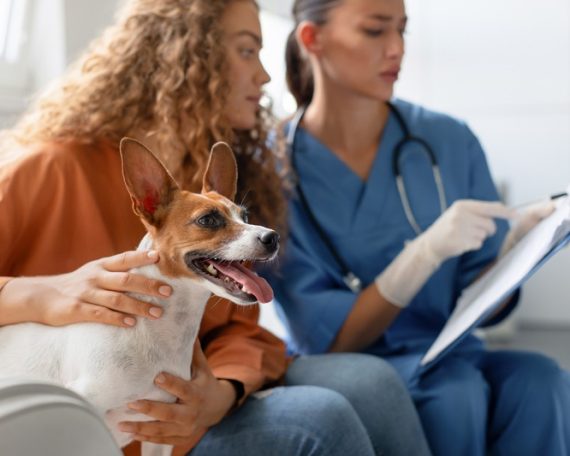
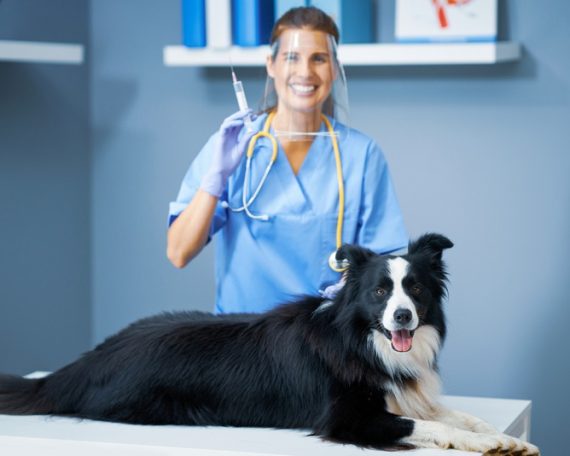
How Often Does My Pet Need Vaccinations Before Surgery?

Taking care of our furry friends is a responsibility that we pet owners take very seriously. From regular health checkups to ensuring they receive the necessary vaccinations, there’s a lot to keep in mind. One question that often pops up, especially before surgery, is: how often does my pet need vaccinations? Understanding the importance and frequency of vaccinations is crucial for the well-being of our pets.

1. Pre-Surgery Protocols

  • Health Check: Most veterinarians will perform a pre-surgery health check to ensure that your pet is healthy enough to undergo surgery.

  • Up-to-Date Vaccinations: Prior to surgery, your pet’s core vaccinations must be up-to-date. Many clinics require proof of vaccination as a part of their preoperative procedures.

  • Timing: It’s generally advised that dog vaccinations in Lancaster, CA, should be administered at least a few weeks before the surgery date. This allows the pet’s immune system enough time to respond to the vaccine and reduces the risk of complications.

The specific pre-surgery vaccination protocol can vary depending on the veterinary clinic and the type of surgery. However, there are general guidelines that most vets follow:

  • Puppies and kittens: Initial vaccines are typically given at 6-8 weeks and then every 3-4 weeks until they are 16 weeks old.

  • Adult pets: Annual or triennial vaccinations are usually recommended, depending on the vaccine and the pet’s health.

  • Specific surgery requirements: Some surgeries may necessitate additional or booster vaccinations shortly before the procedure.

2. Core Vaccines 

These are essential vaccines recommended for all pets. For dogs, core vaccines typically include rabies, distemper, parvovirus, and adenovirus. For cats, they usually include rabies, feline calicivirus, feline herpesvirus, and feline panleukopenia. These vaccines are often required to be up-to-date before any surgical procedure.

3. Non-Core Vaccines 

These are optional vaccines recommended based on the pet’s lifestyle and exposure risk. They can include vaccines for Bordetella, Lyme disease, and leptospirosis in dogs or feline leukemia virus (FeLV) in cats.

4. Puppies and Kittens 

Young pets usually follow a vaccination schedule that involves an initial series of vaccines followed by boosters. It’s essential to consult with your veterinarian to ensure that these vaccinations are appropriately timed with any planned surgical procedures.

It’s important to discuss your pet’s vaccination history and any upcoming surgeries with your veterinarian. They can provide personalized recommendations and ensure that your pet is adequately protected and prepared for surgery.

Why Vaccinations Matter Before Surgery

Before any surgical procedure, it’s crucial to ensure that your pet’s vaccinations are up-to-date. This not only protects your pet from potential infections during surgery but also ensures a smoother recovery process. Veterinary clinics often require an up-to-date vaccination record before they perform any surgical procedure.

Consultation with Your Vet

It’s always best to consult with vets in Lancaster, CA, or your local veterinarian to understand the specific needs of your pet. They will guide you on the required vaccinations and their timing before the scheduled surgery. This consultation will ensure that your pet is fully protected and ready for the procedure.

Preparing for Surgery

Once your pet’s vaccinations are up-to-date, there are a few additional steps you can take to prepare them for surgery. These steps ensure that your pet is in the best possible condition for the procedure and can recover quickly.

1. Pre-Surgery Check-up

A pre-surgery check-up with your veterinarian is essential. This check-up will include a thorough physical examination and possibly some blood tests to ensure your pet is healthy enough for surgery. The vet will also review your pet’s vaccination records during this check-up.

Scheduling a visit to a veterinary surgeon in Lancaster, CA, can help answer specific questions you may have regarding your pet’s surgery. They specialize in surgical procedures and can provide in-depth information and guidance on ensuring your pet’s safety during the procedure.

2. Fasting Before Surgery

Your vet will likely advise fasting your pet for a specific period before surgery. This is to prevent complications such as vomiting, which can occur under anesthesia. Make sure to follow your vet’s instructions regarding fasting times.

3. Comfort and Stress Reduction

Ensuring your pet is comfortable and stress-free before surgery is crucial. Please provide them with a cozy space to rest and avoid any strenuous activities. Familiarizing them with the travel crate or carrier can also help reduce anxiety on the day of surgery.

Post-Surgery Care

Your pet’s care continues once the surgery is completed. Post-surgery care is just as important to ensure a smooth and quick recovery. Here are some tips:

  • Monitor Your Pet: Keep a close eye on your pet for any signs of discomfort or unusual behavior. Contact your vet immediately if you notice anything concerning.

  • Follow Medication Instructions: Your vet will likely prescribe medications such as pain relievers or antibiotics. Ensure you follow the instructions carefully and complete the full course of medication.

  • Limit Activity: Restrict your pet’s activity levels for a few days post-surgery. Avoid any strenuous activities or rough play that could disrupt the healing process.

  • Provide a Quiet Space: Create a quiet and comfortable space for your pet to rest. Ensure they are away from loud noises or other pets to promote a calm and stress-free environment.

Final Thoughts

Vaccinations play a crucial role in ensuring your pet’s health and safety, especially before surgery. Regular consultations with your vet, along with understanding the timing and types of vaccinations needed, can help you prepare effectively. Always prioritize your pet’s well-being by keeping their vaccinations up-to-date and following all pre-and post-surgery care instructions. With the right preparation, you can ensure a smooth surgical experience and a quick recovery for your beloved pet.
Read More

Why Is Dental Care Important at Full-Service Animal Hospitals?

You know that taking your furry friend to a full-service animal hospital is a must to keep them healthy and happy. But did you know that dental care in these hospitals plays a crucial role, too? Let’s look into why dental care is so vital in full-service animal hospitals.

1. Healthier Mouth, Healthier Pet

Just like humans, pets can suffer from dental problems. From plaque and tartar to more severe issues like gingivitis and periodontal disease, neglecting your pet’s dental health can lead to significant health complications. By incorporating regular dental checkups into your pet’s healthcare routine, you ensure they have a healthier mouth and, subsequently, a healthier life.

Preventing Dental Disease

Dental disease is extremely common in pets, and it can be challenging to spot the symptoms early on. Full-service animal hospitals have the tools and expertise to detect these issues before they escalate. Regular cleanings, X-rays, and thorough examinations can prevent these diseases and save your pet from pain and discomfort.

Signs Your Pet Needs Dental Care

Would your pet be suffering from dental issues? Here are some signs to watch out for:

  • Bad breath

  • Difficulty eating

  • Swollen or bleeding gums

  • Yellow or brown tartar buildup

  • Pawing at the mouth

  • Loose or missing teeth

If you notice any of these signs, it’s time to schedule a dental checkup for your pet.

2. Comprehensive Dental Services

At full-service animal hospitals, dental care isn’t just about cleaning your pet’s teeth. These hospitals offer a range of services to ensure comprehensive dental health.

Dental Exams and Cleanings

Dental exams are a critical part of your pet’s regular health checkups. Veterinarians use specialized tools to clean your pet’s teeth above and below the gum line, removing plaque and tartar. This prevents the build-up that can lead to periodontal disease.

Advanced Imaging and Diagnostics

Sometimes, more than a visual inspection is needed. Full-service animal hospitals are equipped with advanced imaging technologies, like dental X-rays, to get a complete picture of your pet’s dental health. These tools help in diagnosing issues that aren’t visible to the naked eye and provide a baseline for future comparisons.

Surgical Interventions

In some cases, pets may require surgical procedures to address severe dental issues. Full-service animal hospitals have the surgical expertise to carry out tooth extractions, repairs, and other necessary procedures safely and effectively. These surgeries are performed with the utmost care to ensure your pet’s comfort and quick recovery.

3. Benefits of Regular Dental Checkups

Now that we’ve covered what full-service animal hospitals can do for your pet’s dental health let’s talk about the benefits of maintaining regular dental checkups.

Improved Overall Health

Keeping your pet’s teeth clean and healthy positively impacts their overall health. Poor dental hygiene can lead to bacteria entering the bloodstream, causing infections in vital organs such as the heart and kidneys. Regular dental checkups can prevent these severe complications.

Better Quality of Life

A pet with a healthy mouth enjoys a better quality of life. They can eat without pain, play without discomfort, and experience fewer dental-related health issues. This translates to a happier, more vibrant life for your furry friend.

4. Convenience and Peace of Mind

Full-service animal hospitals offer the convenience of having all veterinary services under one roof. This integrated approach means you don’t have to visit multiple locations for your pet’s dental and medical needs.

Consistency in Care

Consistent care is key to maintaining your pet’s health. When you choose a full-service animal hospital, you develop a lasting relationship with your veterinarian. They know your pet’s medical history inside and out, which is vital for providing tailored, effective dental care.

Advanced Veterinary Technology

Full-service hospitals invest in advanced technologies and stay updated with the latest advancements in veterinary medicine. This means your pet receives the best and most current dental care available.

5. Education and Home Care Tips

Your role as a pet parent doesn’t end at the hospital door. Full-service animal hospitals educate you on maintaining your pet’s dental health at home. Armed with this knowledge, you can play an active role in keeping your pet’s teeth sparkling clean.

Tips for Home Dental Care

Let’s face it: brushing your pet’s teeth can be a challenge. Here are some tips to make home dental care easier:

  • Start slowly and be patient with your pet.

  • Use pet-specific toothbrushes and toothpaste.

  • Incorporate dental treats and toys that promote oral health.

  • Establish a regular brushing routine.

  • Reward your pet for cooperating.

Remember, a little effort at home goes a long way in maintaining your pet’s dental health.

6. Cost-Effective in the Long Run

Although investing in regular dental care might seem costly at first, it’s a smart financial move in the long run. Preventing dental diseases early on saves you from the higher expenses associated with complex dental treatments and surgeries down the road.

Reduces Overall Health Costs

By preventing dental problems, you are indirectly reducing the risk of other health issues that would require medical attention. This helps in lowering your pet’s overall health care costs, making regular dental checkups a cost-effective strategy.

Insurance Benefits

Many pet insurance plans cover routine dental cleanings and exams. Utilizing these benefits can make dental care more affordable and allow you to focus on keeping your pet’s mouth healthy without worrying about high costs.

7. Experience and Expertise

When it comes to your pet’s dental health, experience and expertise matter. Full-service animal hospitals employ trained professionals skilled in veterinary dentistry to provide your pet with the best care possible. These experts have the knowledge and experience needed to handle all aspects of your pet’s dental health, ensuring comprehensive and effective treatments.

Skilled Staff

From veterinarians to veterinary technicians, the staff at full-service animal hospitals are specially trained in dental care. They undergo continuous education to stay updated with the latest advancements, ensuring your pet receives cutting-edge care.

8. Holistic Approach

A holistic approach to veterinary care means that all aspects of your pet’s health are considered. Dental health is not isolated; it’s an integral part of your pet’s overall well-being. Full-service animal hospitals provide this comprehensive care, integrating dental health into your pet’s broader healthcare plan.

Remember, regular checkups aren’t just for when there’s a visible issue. Including dental checks in routine appointments like a vet checkup in Tucson ensures that even minor issues are caught when they’re easiest to treat.

9. Lab Facilities for Accurate Diagnoses

Full-service animal hospitals often have in-house vet lab facilities, allowing for quick and accurate diagnoses. This is particularly crucial for dental health, where bacterial infections and other issues might require immediate attention.

Broad Range of Tests

These labs can conduct a variety of tests to determine any underlying health issues that might be affecting your pet’s dental health. Blood tests, cultures, and other advanced diagnostics provide a complete picture of your pet’s health status, ensuring that no stone is left unturned.

Faster Treatment

On-site lab facilities mean faster results, allowing veterinarians to start appropriate treatments without delay. This is especially beneficial in dental care, where timely interventions can prevent complications and promote quicker recovery.

Final Thoughts

So there you have it. Dental care is an essential part of your pet’s health regime, and full-service animal hospitals provide the comprehensive care needed to keep those pearly whites shining. From preventing dental diseases to improving overall quality of life, regular dental checkups offer numerous benefits. By visiting a full-service animal hospital, you ensure that your pet gets the expert, all-encompassing care they deserve. Keep your furry friend’s smile bright and their health in tip-top shape by prioritizing dental care at a full-service animal hospital.

Read More

Why Is Early Detection Important for Pet Health?

Every pet owner wants their furry companions to live a long and happy life. One of the keys to ensuring the well-being of our pets is through proactive measures, particularly early detection. The significance of early detection in pet health mimics the role it plays in human medicine – it can make a substantial difference in treatment outcomes and overall quality of life. Here, we’ll discuss the compelling reasons why detecting health issues in your pets early can be a lifesaver.

Increasing Lifespan through Proactive Care

Early detection of diseases in pets can notably extend their lifespan. Like humans, pets can suffer from a variety of health issues, including diabetes, heart disease, and cancer. Catching these ailments early can lead to interventions that not only add years to your pet’s life but also enhance the quality of those additional years. 

Routine health screenings mean you are less likely to be caught off guard by a severe illness that has progressed too far for effective treatment.

Improving Quality of Life with Timely Interventions

Early detection is not just about extending life; it’s also about improving the quality of the life your pet leads. Detecting a condition before it exacerbates can lead to better management options. Animals are experts at hiding pain and discomfort. Early diagnosis can uncover health issues that pets cannot communicate, ensuring they receive the necessary care to alleviate pain and manage symptoms effectively.

Reducing Long-term Healthcare Costs

Although pet owners may be concerned about the cost of regular vet check-ups, early detection typically results in lower overall healthcare costs. Early intervention can often prevent diseases from developing into more serious, and thus more costly, conditions. What might be a simple treatment regimen, if caught early, can turn into expensive surgeries or ongoing treatment for chronic issues if conditions are ignored or unnoticed.

  • Early-stage treatments are often less invasive and more affordable

  • Preventative care can deter the development of secondary issues linked to a primary disease

  • Regular wellness exams can nip potential expensive emergency situations in the bud

Enhancing the Book of Treatment Options

Treating a pet’s illness in the early stages often opens up a wider range of treatment choices. These options can be less aggressive and more easily tolerated by the pet compared with treatments required for advanced stages of disease. Early diagnosis often offers a chance to consider more holistic and alternative interventions, which can be less stressful for both the pet and the owner.

Early Detection and Chronic Condition Management

For pets with chronic conditions, early detection is the stepping stone towards effective lifelong management. Conditions like arthritis or kidney disease can be managed far more effectively if identified early, permitting adjustments in diet, lifestyle, and medication before the condition leads to severe complications. This proactive approach can mitigate the advancement of the illness and maintain a better standard of living for the pet.

Strengthening the Human-Animal Bond

Early detection can solidify the bond between humans and their pets. When pet owners become active participants in their pets’ healthcare through regular check-ups and vigilance to changes in behavior, they become more attuned to their pets’ needs. This awareness creates a stronger, deeper connection as owners are able to provide comfort and care tailored to their pet’s well-being.

Regular Vet Visits and Functional Assessments

Regular veterinary visits are crucial for early detection. These check-ups often include thorough examinations that can uncover issues that may not yet be symptomatic. Conducting functional assessments, like blood tests and imaging studies, as part of routine care can reveal hidden issues before they escalate.

Moreover, ensuring that pets undergo regular check-ups for pet vaccinations and parasite control, which are basic aspects of preventative care, can also lead to the detection of other health issues. A comprehensive approach to health can significantly benefit early detection efforts.

Seeking Professional Help

In addition to home observations, seeking professional care plays an invaluable role in early detection. A veterinary facility with comprehensive care, like an animal hospital in Seattle, WA, can offer thorough examinations and advice on maintaining your pet’s health. Experienced veterinarians can detect subtle changes that are easily overlooked by even the most caring pet owners.

Encouraging Early Behavioral Interventions

Early detection can also play a significant role in addressing behavioral issues. Detecting sources of discomfort that may cause behavioral changes can lead to early interventions that not only help manage physical symptoms but also prevent the development of adverse behaviors. Moreover, identifying behavioral issues early can often lead to simpler and more effective treatment strategies.

It’s also important to consider the role of their pet dental services in supporting overall well-being. Dental issues can be a source of significant discomfort and pain, potentially leading to behavioral changes. By ensuring proper oral care, we can detect and address dental problems early, which is another critical aspect of comprehensive health and behavior management for pets.

Educating Pet Owners for Vigilance and Responsibility

The importance of early detection also extends to educating pet owners to recognize the signs and symptoms of potential health issues. Such an education empowers pet owners to take a responsive and responsible approach to their pet’s health. With knowledge comes the power to recognize when to seek veterinary assistance before minor issues turn into major concerns.

Wrap Up

Early detection is the linchpin in maintaining the health and happiness of our pets. It transcends simply addressing diseases when they arise; it involves a comprehensive strategy of regular health assessments, vigilance to changes, and a partnership with veterinary professionals. By embracing this proactive approach, pet owners can ensure that their beloved animals receive the best chance at a long and fulfilling life.


Read More

What Steps Can Prevent Common Pet Injuries?

Pets are more than just animals; they are family members. Their safety and well-being are essential for every pet owner. Unfortunately, accidents happen, but many common pet injuries can be prevented with the right knowledge and precautions. This article will guide you through essential steps to safeguard your pets from potential dangers, ensuring they lead a happy and injury-free life.

1. Know Your Pet’s Environment

One of the first steps in preventing injuries is to understand and secure your pet’s environment. This encompasses both indoor and outdoor settings.

Indoors

  • Secure hazardous areas: Ensure that all hazardous areas, such as kitchens and bathrooms, are pet-proof. Use baby gates or pet barriers if necessary.

  • Protect from falls: Pets, particularly juvenile and senior animals, can be prone to falls. Make sure windows are secure and balconies are off-limits unless supervised.

  • Hide electrical cords: Chewing on electrical cords can lead to serious injuries. Hide cords behind furniture or use protective covers.

  • Avoid small choking hazards: Small objects that can be easily swallowed should be kept away from your pet’s reach.

Outdoors

  • Fence your yard: A secure fence not only prevents your pet from straying but also protects them from other animals.

  • Remove toxic plants: Some common garden plants are toxic to pets. Identify and remove these from areas your pet can access.

  • Provide safe shelter: Ensure your pet has access to a sheltered area with shade and water, particularly on hot days.

2. Regular Health Check-ups and Preventive Care

Regular visits to the vet play a crucial role in preventing injuries by identifying potential health issues before they become serious.

Veterinary Check-ups

Scheduling regular check-ups can help catch diseases and conditions early, ensuring your pet remains in good health. Vets can also offer personalized advice on preventing injuries specific to your pet’s breed and age.

Pet Vaccinations

Keeping up with your pet’s vaccination schedule is vital for their health and well-being. Dog vaccinations, for example, protect against various diseases that can otherwise lead to severe health complications.

3. Training and Socialization

Teaching your pet how to interact safely with humans and other animals is another key element in injury prevention.

  • Basic commands: Teach your pet basic commands such as ‘sit,’ ‘stay,’ ‘come,’ and ‘leave it.’ This can prevent accidents during walks or in potentially dangerous situations.

  • Socialization: Expose your pet to various environments, sounds, people, and other animals from an early age. Well-socialized pets are less likely to act out of fear or aggression.

4. Optimal Nutrition and Exercise

A balanced diet and regular exercise are essential to keeping your pet healthy and injury-free.

  • Feed quality pet food: Ensure your pet’s food meets their nutritional needs based on their age, size, and activity level.

  • Regular exercise: Regular physical activity helps keep your pet agile and strong, which can prevent injuries related to inactivity and obesity.

5. Emergency Preparedness

Despite all precautions, emergencies can occur. Being prepared can make all the difference.

First Aid Kit

Keep a pet-specific first aid kit ready. Include items like bandages, antiseptics, a thermometer, and your vet’s contact information.

Emergency Vet

Familiarize yourself with the location and contact information of an emergency veterinarian in Tucson, AZ, or wherever you are located. Knowing where to go in an emergency can save precious time and potentially your pet’s life.

6. Special Considerations for Different Pets

Different animals have different needs, and what works for a dog might not be suitable for a cat or bird.

  • Cats: Keep them indoors to avoid fights, falls, or accidents.

  • Birds: Ensure cages are secure and free from hazards that can entangle or injure them.

  • Reptiles: Maintain proper cage temperatures and handling procedures to avoid escape and injury.

7. Seasonal Safety Tips

Changing seasons brings different challenges, and adjusting care accordingly can prevent related injuries.

Summer

  • Provide plenty of water and shady rest areas to avoid overheating and dehydration.

  • Avoid walking your pet on hot pavement, which can burn its paws.

Winter

  • Keep your pet warm, especially small or short-haired breeds.

  • Use pet-friendly ice melts on walkways.

8. Technology and Pet Safety

From GPS collars to pet cameras, technology offers new ways to keep an eye on your pets and ensure their safety.

GPS Tracking Collars

These devices can be very helpful if your pet tends to escape or gets lost.

9. Learning About Animal Hospitals

Keeping in mind the importance of immediate medical attention during accidents, it is always good to be aware of the nearest animal hospital. If you’re looking for detailed information about services and facilities, you can always check their home page online.

Final Thought

Preventing common pet injuries starts with proactive measures and thoughtful care. By understanding your pet’s environment, ensuring regular health checks, maintaining a safe living space, and preparing for emergencies, you can greatly reduce the risk of injuries and enhance the quality of your pet’s life. 

Remember, the effort you put into safeguarding your furry, feathered, or scaled friend not only preserves their health but also strengthens the bond you share. Always stay informed and vigilant because the well-being of your loyal companion is ultimately in your hands.

Read More

How Do Vaccinations Prevent Common Vet Emergencies?

Just like kids, our pets need shots to stay well. These shots are vaccines. They fight off nasty diseases that can make our pets sick or even cause death. Imagine vaccines as tiny guardians inside your pet’s body. They train your pet’s immune system to spot and attack bugs that can make them ill quickly. By getting these vaccines, we are giving our pets a shield against diseases. It’s one of the easiest ways to keep them healthy and happy. So, a small shot for your pet means a big step for their long and healthy life.

Vaccination and Its Role in Emergency Prevention

Vaccinations are like super tiny heroes in a syringe. When your pet gets one, it’s like they’re getting a secret training session against germs. The vaccine has a bit of the germ, but it’s changed so it can’t cause the actual sickness. Your pet’s body sees this germ and learns to fight it, kind of like a practice round. It’s just a quick pinch, and then their immune system becomes smarter and stronger. If the real germ ever attacks, their body remembers and says, “No way, I’ve got this!” and protects them. So, with just a little owie, your pet is ready to defend itself against diseases that could make it really sick. Vaccines help keep your furry friends healthy, happy, and ready for cuddles without the sniffles or worse.

How Vaccinations Shield Pets

  1. Immunity Boost: Vaccines are like a training camp for the immune system. They prepare your pet to face real threats by building up their antibodies without the risk.

  2. Disease Prevention: Many serious diseases that once harmed countless animals can now be avoided thanks to vaccines.

  3. Herd Immunity: When most pets in an area are vaccinated, it creates a collective shield, reducing the spread of disease and protecting even those pets that haven’t been vaccinated.

Common Vet Emergencies Ward Off By Vaccines

Vaccines are crucial in protecting our pets from dangerous diseases. By adhering to a recommended vaccination schedule, we can safeguard our furry friends from various illnesses and ensure their well-being. Some of the most common emergencies that vaccines protect against include:

  • Parvo – A highly contagious virus that causes severe gastrointestinal issues in dogs.

  • Rabies – A fatal virus that affects the nervous system of mammals, including humans.

  • Kennel Cough – A respiratory infection that spreads quickly in places with close animal contact, like kennels.

By staying vigilant with vaccinations, we can help keep our pets healthy, safe, and happy.

Vaccinations and Internal Medicine

It’s important to understand that preventive medicine goes beyond emergency care. If you’re on the hunt for solid advice and a clearer picture of how internal medicine fits into the puzzle, websites like https://www.maurycountyemergencyvet.com/site/veterinary-services-columbia/internal-medicine provide concrete information about vet internal medicine for a wider understanding.

Preventative Care Beyond Shots

It’s not all about the jabs. Keeping an eye on your pet’s dental health and other aspects of their wellbeing is vital, too. For instance, did you know that dental disease can lead to serious systemic issues? That’s why it’s smart to check their pet dental services to ensure your furry friend’s pearly whites are in tip-top shape, reducing the risk of other health complications.

Tackling Emergencies Head-On

Sometimes, despite our best efforts, emergencies happen. In those critical moments, knowing where to turn is key. For a deeper understanding of how to handle sudden pet health concerns, you can click here to learn more about emergency vet care. Always remember, your vet is your partner in keeping your pet healthy and thriving.

Helpful Tips to Get the Most Out of Vaccines

  • Stay Up-to-Date: Track your vaccination schedule and ensure you receive all necessary doses on time. This helps maintain the vaccine’s efficacy.

  • Consult Your Healthcare Provider: Before getting vaccinated, always talk to your doctor about any allergies, illnesses, or ongoing medications. They can provide personalized advice and address any concerns.

  • Maintain a Healthy Lifestyle: Good nutrition, regular exercise, and adequate sleep can enhance your immune system’s response to vaccines.

  • Keep Records: Maintain a physical or digital record of all vaccinations. This is especially useful for travel, schooling, and certain job requirements.

  • Understand Possible Side Effects: Be aware of common side effects like mild fever or soreness at the injection site. Knowing what to expect can help alleviate anxiety and allow for prompt action if needed.

  • Promote Awareness: Share correct information within your community to dispel myths and encourage a higher vaccination rate, which in turn supports herd immunity.

Final Thoughts

Vaccines are like protective shields for pets. They stop dangerous diseases before they can cause harm. When pets get their shots, they’re less likely to get sick and need urgent vet help. It’s smart pet care. Vaccines keep our furry friends happy and healthy, which means fewer worries and costs for us. With just a few little jabs, our pets can play and cuddle safely, giving us more time to enjoy their loving company without the fear of illness looming over us. It’s a wise investment in the long, enjoyable lives of our cherished animal buddies.

Read More

How Often Should Your Pet Receive a Wellness Exam Alongside Urgent Care?

If you’re a pet parent, you know that keeping your furry friend healthy is a top priority. Like humans, pets benefit from regular check-ups to ensure they are in tip-top shape. But how often should you aim to get your pet’s wellness exam, particularly amidst unexpected visits for urgent care? In this extensive yet simple guide, we will break it down for you. We’ll discuss the balance between routine wellness exams and the unpredictable need for urgent care. So, keep reading to ensure your pet gets the best care possible to lead a happy and vibrant life.

Optimal Frequency for Pet Wellness Exams

How often should you bring your pet in for a wellness check? Most veterinarians agree that adult pets should have a wellness exam at least once a year. Senior pets or those with ongoing health issues need to be checked more frequently, every six months. Puppies and kittens, with their developing immune systems, often need a series of visits in their first year to get vaccinations and check their growth and development.

The Balance with Urgent Care

The Routine Check-Up

Regular wellness exams are your first line of defense against health issues. These check-ups are comprehensive—when your vet assesses your pet’s overall health, looks for early signs of disease, updates vaccinations, and recommends diet and exercise routines. Wellness exams typically cover:

  • Physical examination

  • Vaccinations updates

  • Parasite Prevention

  • Dental health assessment

  • Weight management

Between regular check-ups, it’s also essential to learn more about pet wellness to recognize early signs of sickness or distress in your pets. This can help you catch potential issues before they become big problems.

When Urgent Care Comes In

Unlike scheduled wellness exams, urgent care is usually unpredictable. This type of care is for injuries or illnesses that happen suddenly, like an accident, a sudden illness, or a flare-up of a chronic condition. For example, if you notice your pet is struggling to breathe, has had an injury, or is experiencing severe vomiting or diarrhea, these are cases where seeking urgent care is critical.

Having trusted emergency vet specialists at Northside Animal Clinic for these unpredictable situations is essential. They can provide immediate attention and advanced care when your pet needs it the most.

How Wellness Exams Complement Urgent Care

Wellness exams and urgent care services work hand in hand to keep your pet healthy. Regular wellness checks can prevent the need for urgent care visits by catching issues early on. Moreover, maintaining a good relationship with your vet helps ensure they know your pet’s medical history, which is invaluable during emergencies.

What to Expect in a Wellness Exam

Let’s dive into what a typical wellness exam entails:

  1. Health history: Your vet will note any new developments and review past concerns.

  2. Physical examination: This includes checking your pet’s body from nose to tail.

  3. Vaccinations: Essential vaccines will be given based on your pet’s lifestyle and risks.

  4. Parasite prevention: Your vet will recommend preventing fleas, ticks, heartworms, and intestinal parasites.

  5. Lab work: Often, blood, urine, or fecal tests are conducted to detect problems not apparent from a physical exam.

  6. Nutrition and weight management: Discuss your pet’s diet and weight to maintain optimal health.

  7. Dental check: Oral health plays a significant role in overall wellness.

Following these steps, your vet can create a personalized care plan for your pet.

Identifying When Urgent Care is Needed

Sometimes, despite regular exams, your pet might require urgent care. Watch out for the following symptoms and behaviors that suggest your pet needs immediate medical attention:

  • Difficulty breathing or choking

  • Severe vomiting or diarrhea

  • Inability to urinate or defecate

  • Suspected poisoning

  • Severe injury or trauma

  • Sudden changes in behavior

  • Refusal to eat or drink for over 24 hours

Knowing these signs and having a plan will lessen the panic in an emergency. Remember, Jackson vets are just a call away when your pet needs immediate care.

How Lifestyle Impacts Vet Visits

Keep in mind that your pet’s lifestyle also plays a role in how often they should see the vet. Outdoor pets may require more frequent exams, as they’re at higher risk for injuries and parasites. Like service animals, working pets might also need regular evaluations to ensure they’re fit for their duties. Always discuss your pet’s needs with your vet to determine the right exam schedule.

Final Thoughts

Regular wellness exams are critical for your pet’s health and can prevent many urgent care visits. Aim for annual check-ups for adult pets, and more often for seniors or those with health issues. And, in the case of unexpected sickness or injury, knowing when and where to seek urgent care is equally important. Together, routine care and emergency preparedness will help you keep your beloved pet healthy and happy for years.

Read More

What Is Involved in an Emergency Vet Visit?

Pet owners never want to think about emergencies, but being prepared is crucial. This guide will explain the steps, how to get ready, and what emergency services your pet might need during a tough time. We’ll cover what to do if your pet gets sick suddenly or has an unexpected accident. We aim to help you understand the emergency care process for your beloved animal friend.

Preparation Before the Emergency

One of the keys to handling a pet emergency is preparation. It’s crucial to know the contact details and location of your local emergency pet hospital. If you’re in the area, familiarizing yourself with an emergency pet hospital in Rancho Cucamonga, CA, before anything happens can save precious time. Here are a few tips to get ready:

  • Keep your vet’s number and the nearest emergency clinic number handy.

  • Have a pet first aid kit at home.

  • Understand basic pet first aid procedures.

  • Ensure your pet’s medical records are up-to-date and easily accessible.

Recognizing an Emergency

A big part of dealing with emergencies is recognizing when to seek immediate help. Some signs that your pet needs urgent medical attention include:

  • Difficulty breathing

  • Profuse bleeding

  • Severe vomiting or diarrhea

  • Apparent paralysis

  • Loss of consciousness

If you notice any of these symptoms, or if your gut tells you something is seriously wrong, it’s crucial to act swiftly and get to an emergency vet.

What to Expect Upon Arrival

When you arrive at the emergency clinic, the process will be similar to a human ER visit. Here’s what typically happens:

  1. Triaging: Your pet will be assessed to determine the severity of their condition. Just like in human medicine, the most critical cases tend to be first.

  2. Registration: You’ll provide your pet’s information, medical history, and your contact details. This is when having your pet’s medical records ready can save time.

  3. Stabilization: If your pet is in a critical state, the vets will work rapidly to stabilize their condition, which could include administering medication or fluids.

  4. Diagnostics: The vet might need to perform some tests to accurately diagnose your pet’s issue.

  5. Treatment: Once a diagnosis is made, the vet will recommend and begin treatment.

Diagnostic Testing: X-rays, Blood Tests, and More

The vet may recommend various diagnostic tests to get to the bottom of what’s affecting your pet. Blood tests can check for infections, organ function, and blood cell counts. X-rays or MRIs can help uncover internal injuries or abnormalities. Sometimes, especially with internal issues, pet ultrasound services in Rancho Cucamonga is another helpful service.

Treatment and Procedures

Stabilizing Procedures

The immediate goal of any emergency vet is to stabilize your pet. This might involve:

  • Oxygen therapy if they’re having trouble breathing

  • IV fluids to treat dehydration or support blood pressure

  • Blood transfusions in cases of severe blood loss

Specialized Treatments

Depending on the diagnosis, your pet may require more specialized care. For serious conditions, they might need surgery, such as for a broken bone or to remove a foreign object they’ve swallowed. Pets with diabetes or kidney disease might need specific treatments for their condition, such as dog and cat internal medicine expertise.

Aftercare and Follow-Up

Once the immediate emergency is over, your pet will likely need aftercare. This includes rest, medication, a special diet, or follow-up appointments. The vet will give you detailed instructions on how to best care for your pet at home and what signs to watch for that might indicate a need to return to the hospital.

Home Care Instructions

The vet will provide instructions specific to your pet’s condition, but common aftercare steps include:

  • Administering prescribed medications exactly as directed

  • Limiting your pet’s activity to allow for healing

  • Monitoring your pet for any changes or worsening of their condition

  • Ensuring a peaceful environment for recovery

Follow-up appointments are also crucial to ensure your pet is healing properly and to make any needed adjustments to their treatment plan.

Handling the Costs

Let’s face it, emergency vet visits can be expensive. Here’s what you can do:

  • Ask the vet about potential costs upfront and discuss payment options.

  • Consider getting pet insurance before an emergency happens.

  • Look into care credit programs or pet health savings accounts.

Feel free to ask the vet clinic if a payment plan or financial aid is available; some clinics may offer these options in times of need.

Lastly, while dealing with the stress of a pet emergency is challenging, remember that the vets and staff are there to support you and your pet. They understand what you’re going through and will do their best to provide compassionate, competent care. Keeping calm and acting promptly can significantly affect your pet’s outcome.

Final Thoughts

When the unexpected strikes, an emergency vet visit can be a lifesaver for your furry friend. Remember to be prepared, act quickly, and follow up with care at home. Emergencies can be challenging, but understanding the process and what to expect can help us navigate these challenging times more easily. Your pet’s health and well-being are the top priority, and with the proper steps, you can ensure they receive the best possible care.

Read More

How to Manage Your Pet’s Post-Surgery Recovery

If you’re reading this, chances are your furry friend has recently undergone surgery, and you’re looking for tips on how to manage their recovery best. It’s a time that can be as stress-inducing for you as it is for your pet. But fear not; we’re here to help guide you through the process with some advice that will help your companion heal comfortably and swiftly.

When our pets undergo surgery, it can often be a worrying time. We want nothing more than for them to bounce back to their playful, loving selves. In reality, the recovery period is critical and requires ample attention. Knowing the right steps to take can make all the difference. So, let’s talk about how to nurture your pet back to health post-surgery.

Steps to Ensure a Smooth Post-Surgery Recovery for Your Pet

Your Pet’s Needs After Surgery

The recovery process after surgery is a delicate time for any pet. The first and most important step is to understand what your pet needs during this time. It usually involves a combination of medication, rest, rehabilitation exercises, and plenty of love and patience. Your vet will provide a detailed plan, which you should follow meticulously.

Consult With Your Vet

Before you bring your pet home from the clinic, make sure you have a thorough understanding of the veterinarian’s post-op care instructions. This will be your roadmap to success. Ensure you know how to give any prescribed medication, what the signs of potential complications are, and when to return to the vet for a follow-up.

Suppose you had your pet’s surgery done at a Banning Veterinary Hospital. In that case, they will offer professional guidance for post-operative care, including details about any medication your pet needs and advice on how to administer it.

Create a Comfortable Recovery Space

After surgery, pets need a calm and comfortable space to rest and recuperate. Choose a quiet area away from the hustle and bustle of household activity. Make sure their bed is soft and supportive, and restrict their movement if necessary to prevent them from jumping or running, which could hinder their recovery.

Limit Activity

Physical activity should be limited as per the vet’s instructions. This may mean leash walks only, even if your pet seems eager to run or play. Stick to these guidelines strictly as it’s essential for proper healing.

Stay on Top of Medication

Administering medication is critical. Your pet may be prescribed antibiotics, pain relievers, or other drugs to help in their recovery. Set reminders if you need to – ensuring your pet receives their medication on time contributes significantly to their healing process.

Monitor Your Pet’s Health

Post-surgery, it’s crucial to keep an eye out for any signs of infection or discomfort. Check the incision site regularly for redness, swelling, or discharge. If you observe any of these signs, or if your pet is in distress, contact your vet surgeon in Banning, CA, immediately.

Adhere to a Nutritious Diet

Eating a healthy diet is always important, but even more so during recovery. Your vet may recommend a special diet to promote healing. Make sure your pet has constant access to clean water and encourage them to eat even if their appetite hasn’t fully returned.

Implement Rehabilitation Exercises if Necessary

In some cases, your vet may recommend specific rehabilitation exercises to aid in your pet’s recovery. Ask your vet or a professional physiotherapist about what exercises are appropriate for your pet’s condition.

Love and Support

Remember to underestimate the power of love and comfort. Your pet needs emotional support to recover. Spend quality time with your pet, and keep a close but gentle watch on their behavior and mood.

Regular Check-ups

Follow-up appointments with your vet are non-negotiable. They allow the vet to monitor your pet’s recovery and catch any potential complications early on. As part of preventive care, routine pet wellness exams can also be beneficial in keeping a check on your pet’s overall health even before and beyond the post-surgery recovery period.

What to Avoid During Recovery

  • No baths: Keep the surgical site dry to prevent infection, which means no baths for your pet until the vet gives the green light.

  • Don’t skip the cone: The infamous ‘cone of shame’ prevents your pet from licking or biting at their stitches, which could lead to infection or re-injury.

  • Avoid self-medicating your pet: Only give medications prescribed by your vet, and never administer human medication without consulting your vet first.

  • Keep other pets away: If you have other animals at home, keep them separated from your recovering pet to avoid any rough play or stress.

Final Thoughts

Seeing your pet go through surgery can be tough, but your care during their recovery can have a huge impact on their healing process. A balanced combination of proper medication, restricted movement, and compassionate care will make a world of difference. Your patience and diligent attention will ensure your pet is back on their paws in no time. If you follow these guidelines along with the tailored advice from your vet, you’ll be doing everything in your power to support your best friend through their recovery. Remember, if you ever feel unsure or uneasy about any part of the recovery, don’t hesitate to reach out to your vet for help.

Read More

How Can Regular Check-Ups Save Pet Lives?

Imagine an invisible shield around your furry best friend, keeping them safe and healthy throughout their lives. While we can’t conjure up magical protection, regular check-ups for your pets come close. Just like us, our pets can encounter health issues that, if unchecked, could lead to serious problems or even threaten their lives. Acting as both preventative maintenance and early detection, routine vet visits are a cornerstone of responsible pet ownership. We’ll delve into the many ways these check-ups can save lives and how you can ensure your pet is getting the care they need.

Prevention is Key

Preventative care through regular check-ups can nip potential health issues in the bud before they become major concerns. Here’s why they’re so vital:

  • Spotting the Invisible: Some pet health issues aren’t immediately obvious. Your vet’s trained eye can detect early warning signs of problems like heart disease, arthritis, or diabetes.

  • Vaccinations: Staying up-to-date on vaccinations helps prevent a wide range of illnesses, many of which can prove fatal if left unchecked.

  • Parasite Control: From fleas to ticks and heartworms to tapeworms, these critters can wreak havoc on your pet’s health if they’re not effectively controlled.

  • Weight Management: Pets can sneakily gain weight, leading to obesity and related health issues. Your vet will help you maintain a healthy weight for your pet.

  • Dental Health: Oral issues can lead to systemic problems, including heart disease. Regular dental check-ups help prevent periodontal disease and tooth decay.

Catching Issues Early

One of the most crucial aspects of regular check-ups is early diagnosis. Detecting a problem when it’s smaller often results in better outcomes for your pet. Early intervention for conditions like cancer can make a world of difference in terms of treatment options and success rates. Your vet can also monitor ongoing conditions, adjusting treatment plans as necessary to maintain your pet’s quality of life.

Regular Vet Visits

Your pet’s needs change as they age. What they require as a frolicsome puppy or kitten differs vastly from their needs as a distinguished senior. Regular check-ups help to tailor their care throughout their lifespan. The frequency of visits may increase as they age, but it’s a commitment that pays off in terms of extending their vitality and vigour into their golden years.

Beyond the Physical Health

Check-ups aren’t just about vaccinations and health screenings; they’re a chance for holistic observation. Your vet assesses your pet’s emotional well-being, too. This includes behavioral changes that could indicate anxiety, depression, or stress. The vet is a partner in your pet’s overall well-being, guiding environmental enrichment, nutrition, and behavior, which all contribute to their overall health.

Personalized Attention

Each pet is unique, with their own specific health risks and requirements. Regular visits allow for a personalized approach to their healthcare. Whether it’s a tailored diet plan or specific exercise recommendations, your vet will work with you to craft a care regime that suits your pet’s individual needs.

The Cost-Saving Aspect of Check-Ups

While vet visits do come with a price tag, they can actually save you money in the long run. Preventative care and early treatment are often less expensive than the cost of managing a full-blown health crisis. A regular check-up could prevent the need for something as drastic as emergency surgery, which can be financially burdensome.

Finding the Right Vet for Your Pet

Pet owners have options when it comes to pet care. Seek out comprehensive vet care in Fort Myers, FL, that aligns with your pet’s needs. Consider factors like location, services offered, and the rapport the staff has with both you and your pet. An ideal vet practice is one where your pet feels comfortable and receives the quality of care they deserve.

When Emergencies Arise

Despite the best preventative care, emergencies can still happen. It’s crucial to know where your nearest animal emergency hospital is located and what services they offer. Having this information at hand can make all the difference in urgent situations.

Planning Your Pet’s Check-Ups

Balancing work, life, and the health of your pet might seem daunting, but it’s manageable with a bit of planning. Here’s a simple guide:

  • Schedule appointments ahead of time to ensure you never miss one.

  • Keep a record of your pet’s health history and bring it to appointments.

  • Practice good at-home care to help maintain their health between visits.

  • Familiarize yourself with pet health insurance options to help manage costs.

Specific Care

Cats often mask their symptoms, making it harder to tell when they’re unwell. Regular check-ups can be the key to uncovering hidden health issues. For individuals in Southwest Florida looking for feline-specific care, finding a cat checkup in Fort Myers, FL, that provides a stress-free experience for your kitty is essential. Vets who understand the unique needs of cats can make the appointment productive and informative.

Final Thoughts

In the quest to keep our pets healthy and happy, regular vet check-ups stand as a vital tool. They’re not just for when our pets seem sick but act as a proactive measure to ensure they lead long joyous lives. By catching issues early, maintaining ongoing health, and addressing emergencies quickly, we foster a nurturing environment for our pets. So remember, those regular vet visits are more than just an agenda item; they’re acts of love that could ultimately save your pet’s life. Keep up with regular care, support their well-being at every stage, and enjoy the peace of mind that comes from knowing you’ve done your best for your furry family member.

Read More

What Should You Expect From a Professional Plumber?

When you invite a professional plumber into your home, you’re not just paying for the fixes of leaky taps or clogged drains; you are investing in a peace of mind that comes from expertise and effective service. Here’s what you should expect when hiring a professional to handle your plumbing issues.

Punctuality and Reliability

A professional plumber understands the value of your time. Thus, they should always strive to be punctual, arriving at the scheduled time to avoid any inconvenience. Moreover, reliability is paramount; you should expect a plumber to keep their word regarding costs and the timeframe for the project’s completion.

Experience and Expertise

An experienced plumber comes with the knowledge necessary to tackle a variety of plumbing challenges. This expertise ensures that no matter the problem, big or small, they can efficiently diagnose and resolve the issue with confidence and precision.

Professional Attitude and Customer Service

Exemplary customer service is a hallmark of professional plumbing services. Plumbers should show respect for your home and your time. Expect clear communication and a professional demeanor throughout their service.

Appropriate Licensing and Insurance

Handing over plumbing duties requires trust. A licensed and insured plumber not only meets the legal requirements but also protects you from mishaps during the work process. This documentation is critical for both warranty purposes and personal protection.

Quality Tools and Materials

Professionals come equipped with the right tools for the job. High-quality materials and the latest plumbing technology signify a plumber’s commitment to delivering the best possible outcome. You’ll notice the difference in the longevity and functionality of your plumbing systems.

Detailed Assessments and Upfront Estimates

Show casing transparency from the start, a professional should offer a thorough assessment of the plumbing situation followed by an upfront estimate. This allows you to understand the scope of the work and the costs involved before any work begins.

Cleanliness and Order

Maintaining cleanliness during and after the job is a non-negotiable. A professional plumber ensures that the work area is neat and that they clean up after the job is completed, leaving your home as tidy as they found it.

Honest Recommendations and Transparent Pricing

Trustworthy plumbers provide honest recommendations that benefit you, not just their bottom line. Also, expect a clear breakdown of pricing with no hidden fees, ensuring you are fully aware of what you are paying for.

With safety as a priority, a plumber should deliver solutions that are not just quick fixes but are effective and durable for the long term. The well-being of your household is a direct reflection of the quality of their workmanship.

Warranty and Follow-Up Services

A considerable advantage of professional plumbing services is the guarantee of their work. Many offer a warranty on parts and labor, and they should also provide follow-up services to ensure your plumbing system continues to function as expected.

When seeking out a plumber Holland, MI, ensure they are capable of addressing various plumbing concerns, from routine maintenance to emergency repairs, and can provide local insights and solutions.

Post-Service Accessibility for Queries and Issues

After completing the job, a professional plumber should remain accessible for any further questions or unexpected issues. The mark of a good service provider is their willingness to support and assist you even after the invoice has been paid.

Furthermore, consider services such as water treatment in Holland, MI which may incorporate complex filtration systems, requiring a plumber with relevant expertise in water quality and comfort enhancements for your home.

Expectations for Specific Plumbing Services

Specialized services such as tub replacements Holland, MI require a professional who is experienced with bathroom fixtures and can provide a seamless installation process. Proficiency in these specific areas is essential for a job well done.

Recommendations for Choosing a Plumber

  • Check for proper licenses and insurances

  • Read testimonials and reviews from past clients

  • Ask about their experience with specific services like tub replacements

Typical Services Offered by Professional Plumbers

  • Installation and repair of fixtures

  • Drain cleaning and unclogging

  • Upgrades and maintenance for water treatment systems

Overall, work with a professional who can confidently tackle a broad spectrum of plumbing tasks while showing a level of professionalism that earns your trust and repeated business.

To End

A professional plumber brings much more to the table than just technical skills; they provide reassurance, integrity, and a commitment to excellence that is evident in every aspect of their service. Keeping these expectations in mind should guide you in choosing the right plumber for your needs, ensuring a worthwhile investment for your home’s long-term comfort and convenience.

Read More

Woods
Privacy Overview

This website uses cookies so that we can provide you with the best user experience possible. Cookie information is stored in your browser and performs functions such as recognising you when you return to our website and helping our team to understand which sections of the website you find most interesting and useful.